Mastering Cornering Control and Confidence
Motorcycle lean angle is where physics, skill, and confidence intersect. Whether carving through tight North Georgia switchbacks or sweeping through open rural curves, understanding lean angle best practices can dramatically improve rider safety, performance, and control.
This comprehensive guide explains the fundamentals of motorcycle lean angle, traction management, body positioning, tire dynamics, risk reduction, and advanced cornering techniques. If your goal is smoother corner entries, stable mid-corner control, and stronger exits without exceeding your traction envelope, this article provides a structured roadmap.
This narrative on lean angle best practices is not intended for riders to increase their speed beyond their skill level or the capability of their equipment, i.e., motorcycle or tires. It is solely meant to provide a safe framework for better cornering while riding.
What Is Lean Angle in Motorcycle Riding?
Lean angle refers to the degree to which a motorcycle tilts relative to vertical while cornering. The faster you travel through a curve, the greater the lean required to balance centripetal force with gravity.
The Physics Behind Lean Angle
When turning, a motorcycle must counteract outward centrifugal force. The only way to stay balanced is to lean inward so the combined force vector aligns through the tire contact patch.
Key variables:
- Speed
- Radius of turn
- Tire grip
- Road surface condition
- Suspension setup
The equation governing lean angle (simplified) is:
Lean Angle ≈ arctangent (velocity² / (radius × gravity))
The takeaway: higher speed or tighter radius equals greater lean.
The Traction Envelope and Why It Matters
Every motorcycle tire operates within a finite traction circle. This means tires can only provide a limited amount of grip shared between:
- Cornering force
- Braking force
- Acceleration force
As the lean angle increases, available traction for braking or throttle input decreases.
Lean Angle vs. Available Traction
Below is a visual representation of how available traction margin decreases as lean angle increases.
Download the graph here:
Download Lean Angle vs Traction Graph
At 0° lean, nearly 100% traction is available for braking or acceleration.
At 45° lean, traction margin is significantly reduced.
At 60° lean, there is very little margin left.
This is why abrupt throttle or brake input mid-corner often leads to a loss of control.
Proper Body Positioning to Reduce Required Lean Angle
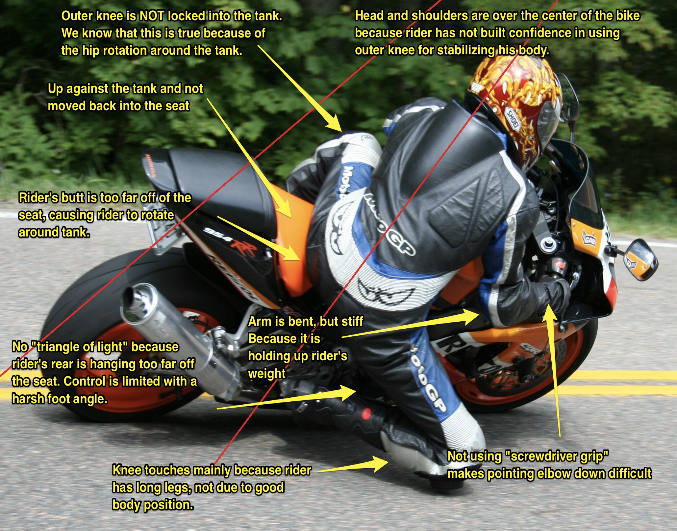
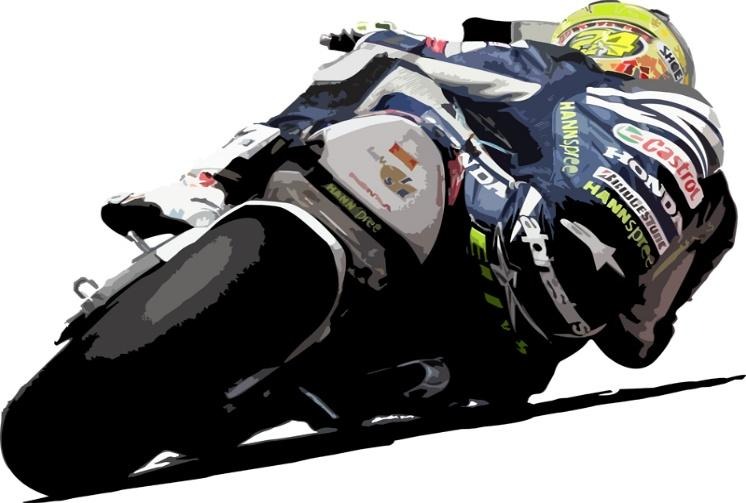
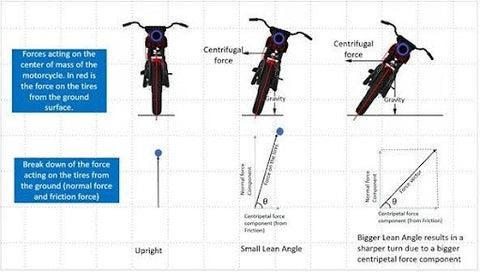
Body positioning can reduce required lean angle for a given corner speed.
Neutral Street Position
For street riding:
- Head and eyes level
- Shoulders relaxed
- Upper body slightly inside the turn
- Knees gripping tank
- Light pressure on the inside handlebar
This allows the bike to remain slightly more upright while maintaining the same corner speed.
Advanced Corner Position (Performance Riding)
- Shift hips slightly inside
- Drop inside shoulder
- Keep the outside leg firm against the tank
- Look through the turn
This technique lowers the center of gravity and reduces lean angle required at the tire contact patch.
Important: On public roads, prioritize smoothness over extreme body movement.
Counter Steering: The Foundation of Controlled Lean
Every effective lean angle begins with counter steering.
To turn right:
- Press forward on the right handlebar
- The bike leans right
- The turn initiates
This input creates the lean, not just body movement.
Common Counter Steering Errors
- Pulling bars instead of pressing
- Over-correcting mid-corner
- Tight grip causing instability
- Looking down instead of through the turn
Mastering smooth counter steering allows precise lean control without abrupt inputs.
Throttle Control at Lean
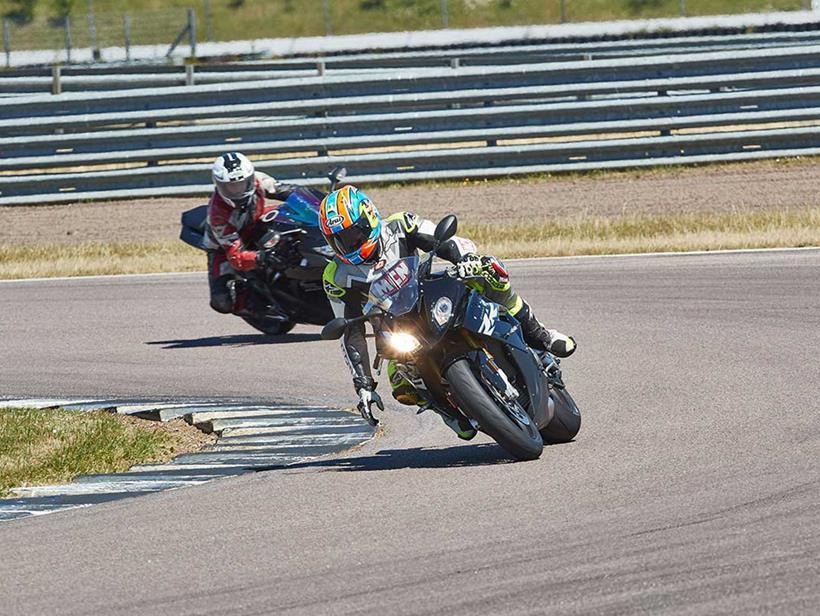
Throttle input directly affects suspension geometry and traction distribution.
The Maintenance Throttle Principle
After turn-in:
- Gently roll on slight throttle
- Stabilize suspension
- Prevent excessive front-end dive
Never abruptly close throttle mid-corner unless necessary. Sudden deceleration shifts weight forward and can overload the front tire.
Corner Exit Acceleration
As lean angle decreases:
- Gradually increase throttle
- Allow bike to stand up naturally
- Maintain smooth roll-on
Throttle should be progressive, never aggressive.
Braking and Lean Angle Best Practices
Trail Braking (Advanced Technique)
Trail braking involves gradually releasing brake pressure as lean increases.
Benefits:
- Maintains front tire load
- Improves turn-in precision
- Allows tighter corner radius adjustment
However, trail braking requires practice and should be developed in controlled environments.
Street Rider Rule
Complete the majority of braking before initiating lean.
Brake → Turn → Roll on throttle
Avoid heavy braking at high lean angles.
Visual Targeting and Lean Confidence
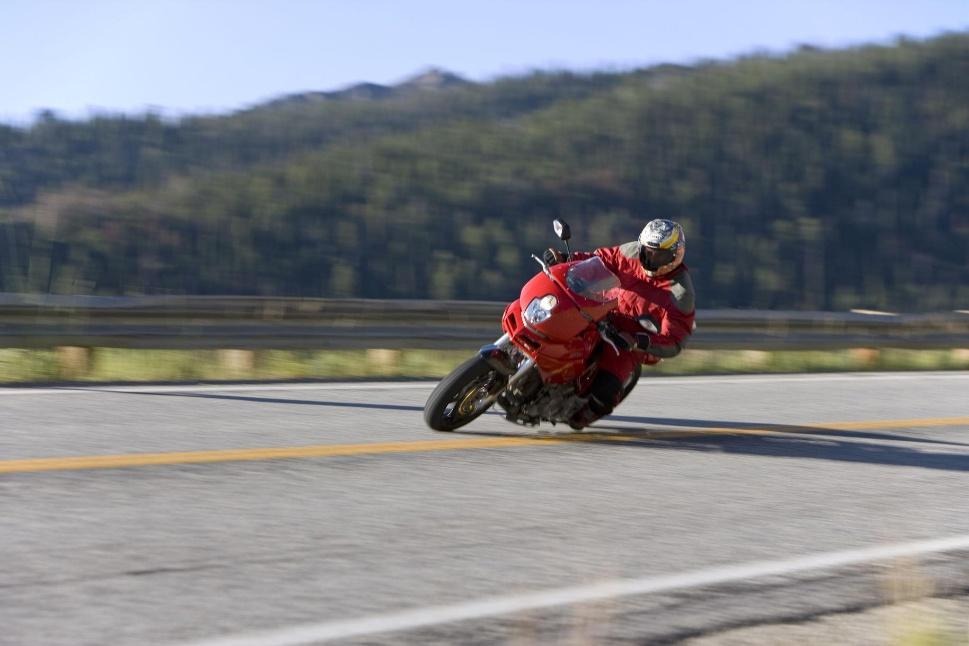
Your eyes determine your lean confidence.
Where you look:
- Determines steering input
- Controls body alignment
- Influences lean stability
Look Through the Turn
- Chin pointed toward exit
- Eyes level
- Avoid target fixation
If you stare at a hazard, you steer toward it.
Road Surface Variables and Lean Management
Lean angle best practices must adapt to conditions.
Reduced Traction Scenarios
- Gravel
- Wet pavement
- Oil residue
- Painted road markings
- Cold tires
In these conditions:
- Reduce lean angle
- Reduce speed
- Smooth all inputs
Aggressive lean is for predictable traction environments.
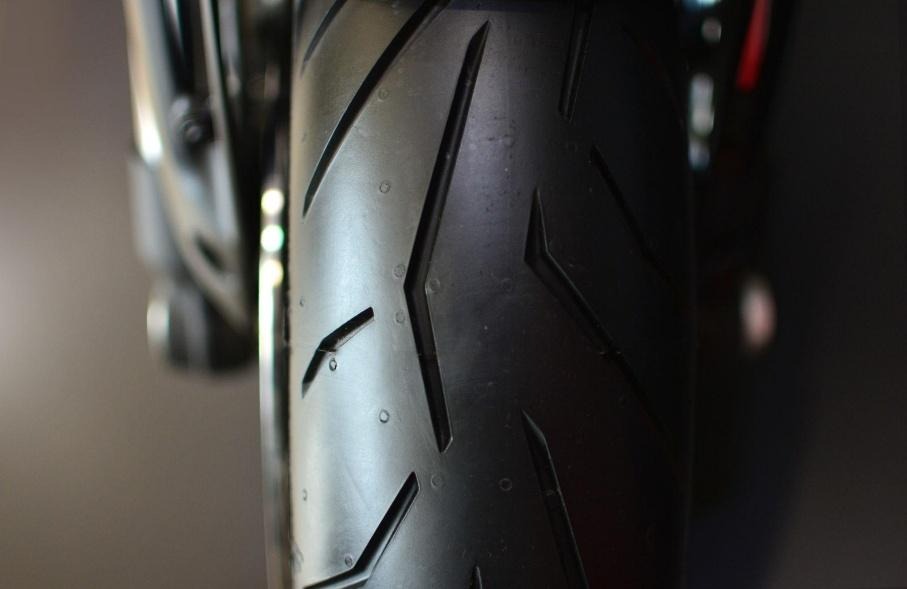
Tire Technology and Maximum Lean
Modern sport tires can exceed 50 degrees of lean. Touring tires typically operate safely in lower ranges.
Variables affecting lean capability:
- Tire compound
- Tire temperature
- Suspension setup
- Rider weight distribution
- Road camber
However, maximum lean potential should never be the goal on public roads.
Psychological Aspects of Lean Angle
Fear often limits lean before physics does.
Confidence develops through:
- Gradual exposure
- Controlled practice
- Proper technique
- Understanding traction limits
Avoid forcing lean. Let it happen as a byproduct of correct speed and steering.
5 Key Points for Lean Angle Best Practices
- Smooth Inputs Prevent Crashes. Abrupt throttle or brake changes at lean cause instability.
- Vision Controls Lean. Look where you want to go.
- Body Position Reduces Required Lean. Small shifts improve stability.
- Finish Braking Before Leaning. Especially on public roads.
- Lean Is a Result, Not a Goal. Focus on line selection and smoothness.
3 Takeaways for Safer Cornering
- Traction Margin Decreases as Lean Increases. Respect the traction envelope.
- Throttle Stabilizes the Motorcycle. Maintaining throttle improves mid-corner control.
- Confidence Comes from Technique, Not Aggression. Precision builds safety.
Practical Lean Angle Drills
Parking Lot Drill
- Practice smooth countersteering
- Maintain consistent throttle
- Focus on vision
Slow-Speed Figure 8
- Emphasize clutch-throttle balance
- Keep head up
- Relax upper body
Progressive Corner Entry Practice
On familiar roads:
- Reduce entry speed slightly
- Focus on line
- Gradually increase smoothness
Advanced Line Selection Strategy
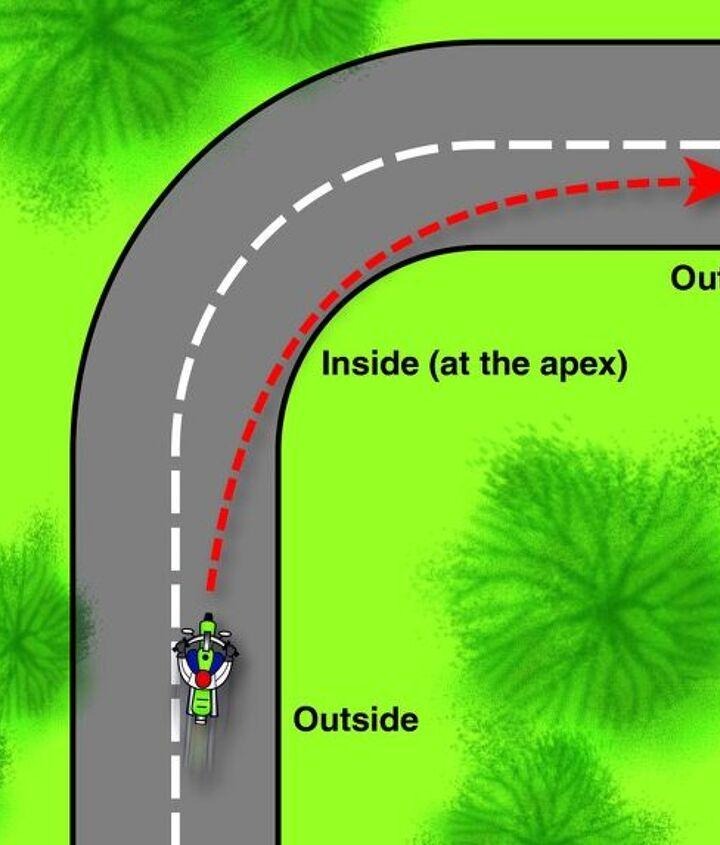
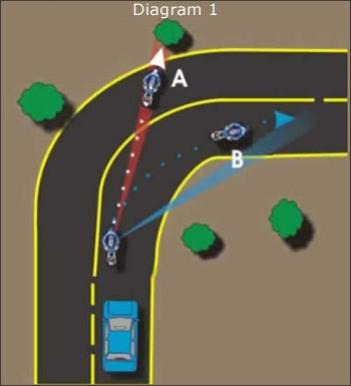
Ideal cornering line:
- Outside entry
- Late apex
- Strong exit
This:
- Reduces required lean
- Improves visibility
- Maximizes traction margin
Late apex technique increases safety on public roads.
Lean Angle and Suspension Dynamics
Lean changes suspension geometry:
- Increased lean reduces effective contact patch shape
- Weight shifts affect front-rear balance
- Chassis stability depends on throttle consistency
Suspension should be:
- Properly sagged
- Appropriately damped
- Balanced front to rear
Poor suspension exaggerates instability at lean.
Common Lean-Related Crash Causes
- Entering too fast
- Abrupt throttle chop
- Panic braking mid-corner
- Target fixation
- Cold tires
Each is preventable through disciplined technique.
Final Summary
Mastering lean angle best practices is not about extreme angles or dragging knees. It is about precision, smoothness, and understanding physics.
Lean is simply the motorcycle’s response to steering input and speed. When riders:
- Control entry speed
- Use smooth throttle
- Maintain proper vision
- Respect traction limits
- Position their body correctly
They transform corners from stressful moments into controlled, confident maneuvers.
Whether riding tight mountain roads, rural sweepers, or daily commutes, lean angle management remains one of the most critical motorcycle skills.
Ride smooth. Ride precise. Respect traction.